
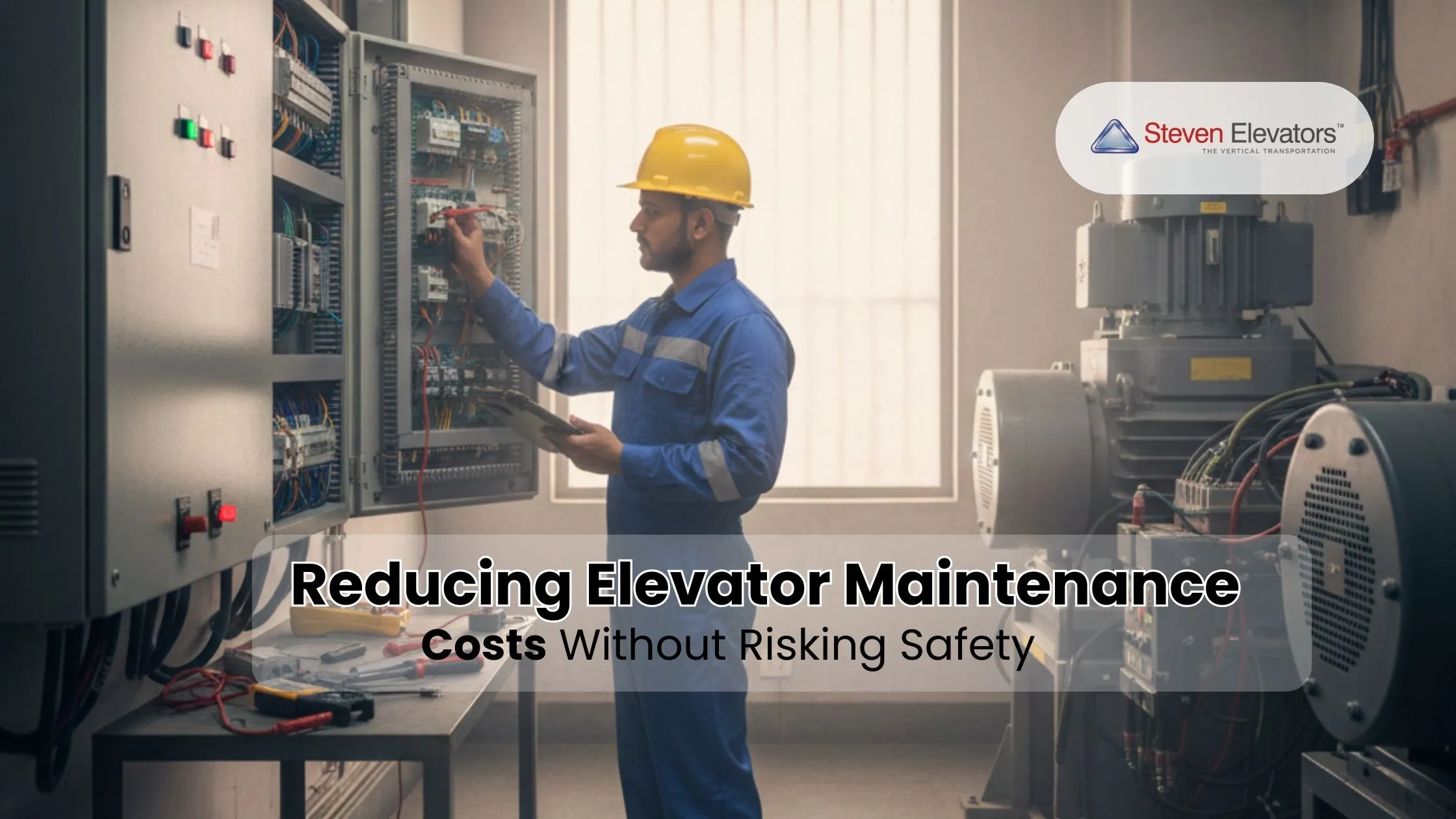
Elevators are one of the most critical assets in any residential or commercial building. They operate every day, carry hundreds of passengers, and directly impact safety, comfort, and property value. At the same time, elevator maintenance is one of the major recurring operational expenses for building owners and facility managers.
In 2026, with rising energy costs, stricter safety regulations, and increased usage in high-rise buildings, many owners are searching for practical ways to reduce elevator maintenance costs without compromising safety or compliance. The good news is that cost optimization and safety can go hand in hand when the right strategies are followed.
This guide explains how building owners can control annual maintenance contract expenses while ensuring reliable, regulation-compliant elevator performance.
Why Elevator Maintenance Costs Are Rising
Industry studies indicate that annual elevator maintenance typically accounts for 8 to 12 percent of the original equipment cost. In high-traffic buildings, this can increase due to:
- Higher passenger volumes leading to faster component wear
- Aging equipment and outdated control systems
- Emergency breakdown repairs that cost significantly more than scheduled service
- Non-compliance penalties and unplanned part replacements
With India installing over 80,000 new elevators every year and urban vertical growth continuing, efficient maintenance planning has become essential to control long-term costs.
Key Factors That Drive Elevator Maintenance Expenses
1. Reactive Repairs vs Preventive Maintenance
Emergency call-outs and breakdown repairs can cost two to three times more than routine servicing. Studies show that preventive maintenance can reduce major repair costs by up to 30 to 40 percent over the equipment lifecycle by identifying issues before they escalate.
2. Quality of Spare Parts
Low-quality or non-genuine components may appear cost-effective initially but often lead to repeated failures, reduced lifespan, and higher cumulative costs.
3. Technician Expertise
Certified and experienced technicians diagnose problems accurately the first time, reducing repeat visits and unnecessary part replacements.
4. System Age and Technology
Older elevators with outdated drives and control panels require more frequent servicing and consume more energy, increasing both maintenance and operational costs.
Proven Ways to Reduce Elevator Maintenance Costs Safely
1. Adopt a Preventive Maintenance Program
A structured preventive maintenance schedule is the most effective way to reduce long-term costs. Regular inspections of brakes, door systems, ropes, control panels, and safety circuits prevent minor issues from turning into expensive failures. Well-maintained elevators also experience less downtime, improving tenant satisfaction.
2. Modernize Aging Elevator Systems
Modernization of key components such as controllers, variable frequency drives, and door operators can significantly lower maintenance frequency and energy consumption. Upgraded systems are more reliable, easier to diagnose, and compliant with current safety standards, reducing both repair costs and regulatory risks.
3. Use Predictive Maintenance and Digital Monitoring
Smart sensors and remote monitoring systems can detect vibration, temperature changes, and operational irregularities. Predictive maintenance allows service teams to address wear and tear before breakdowns occur, minimizing emergency repairs and extending component life.
4. Choose the Right Maintenance Contract
Transparent service level agreements with defined inspection schedules, response times, and part replacement policies help avoid unexpected charges. A comprehensive AMC with clear coverage is often more cost-effective than pay-per-call arrangements in the long run.
5. Train On-Site Facility Staff for Basic Checks
Simple daily or weekly visual checks of doors, cabin lighting, emergency alarms, and cleanliness can help detect early warning signs. Prompt reporting of unusual noises, vibrations, or leveling issues prevents further damage and costly repairs.
6. Use Genuine Spare Parts
Original manufacturer-approved components last longer, perform better, and maintain safety certification. Although their initial cost may be slightly higher, they reduce repeat failures and lower total maintenance expenditure over time.
7. Track Performance and Downtime Metrics
Monitoring indicators such as mean time between failures and response time helps building managers evaluate maintenance effectiveness and optimize service intervals.
Balancing Cost Savings with Safety Compliance
In India, elevator safety is governed by BIS standards such as the IS 17900 series and state lift regulations. These require:
- Periodic safety inspections and certification
- Functional emergency communication systems
- Proper door interlocks and braking systems
- Fire safety integration and power backup
Reducing costs by skipping inspections or delaying part replacement may lead to non-compliance, higher liability, and increased risk of accidents. Smart cost optimization focuses on efficiency, not shortcuts.
How Steven Elevators Supports Cost-Effective and Safe Maintenance
As one of the leading lift manufacturers in Chennai, Steven Elevators combines engineering expertise with a safety-first approach to help building owners achieve long-term cost efficiency.
Steven Elevators offers:
- Preventive maintenance programs designed to reduce breakdown frequency
- Modernization solutions for aging elevators to improve reliability and lower recurring expenses
- Trained and certified technicians for accurate diagnostics and faster resolution
- Genuine spare parts to ensure durability and compliance
- Tailored AMC plans for residential, commercial, hospital, and industrial elevators
With a strong local service presence in Chennai, Steven Elevators ensures quick response times and proactive maintenance, helping property owners control costs without compromising safety standards.
Conclusion
Reducing elevator maintenance costs is not about cutting budgets, but about making smarter decisions. In 2026, building owners who focus on preventive maintenance, timely upgrades, and condition monitoring can reduce breakdowns, extend equipment life, and stay fully compliant with safety regulations.
A well-maintained elevator not only lowers long-term costs but also improves safety, reliability, and user confidence. By working with an experienced partner like Steven Elevators, building owners in Chennai and across India can benefit from expert service, genuine parts, and modern maintenance solutions that ensure smooth, safe, and cost-effective vertical transportation.