
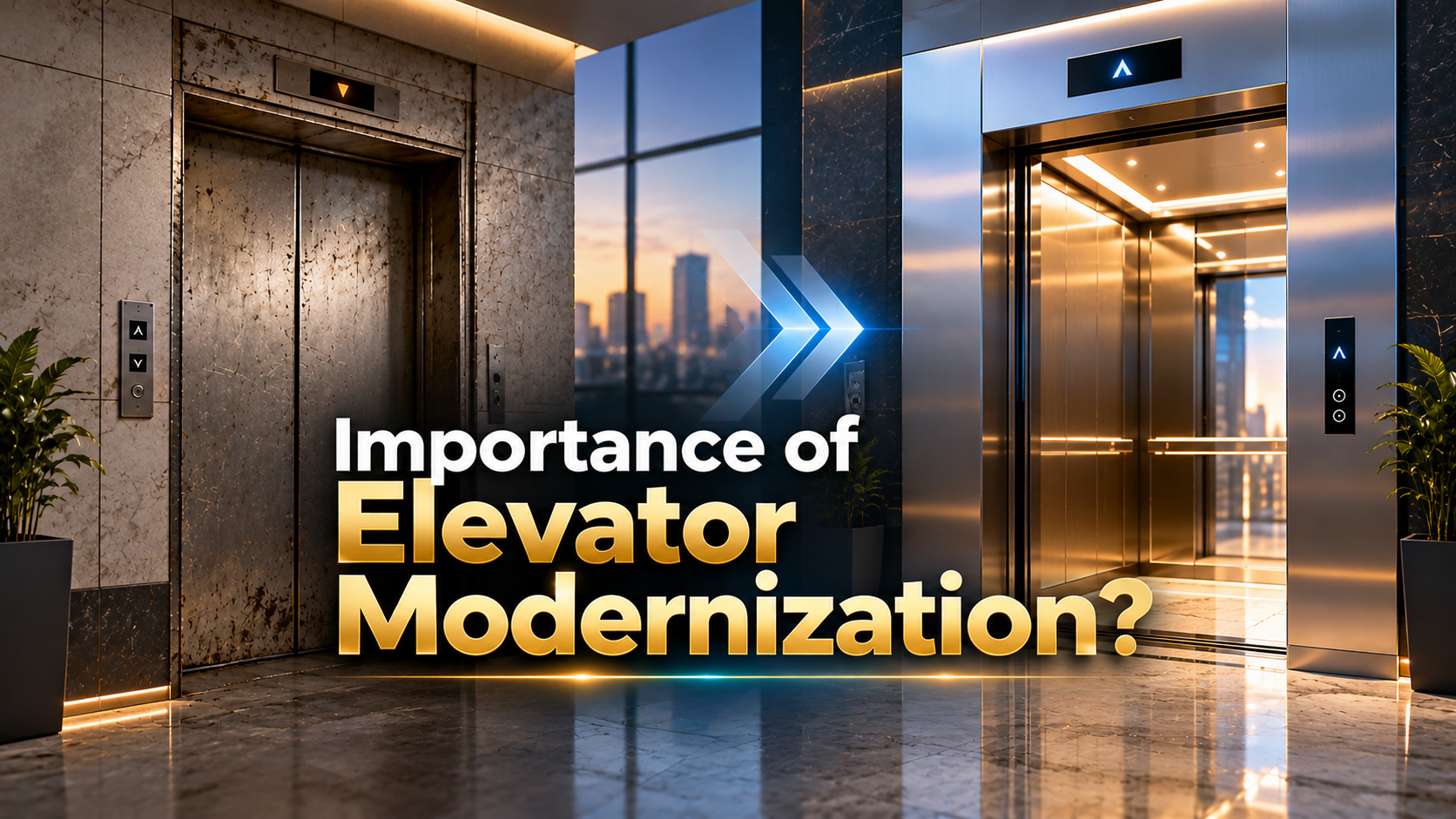
An elevator is one of the most frequently used facilities in a residential or commercial building. From carrying residents to their apartments to helping employees move between office floors, it supports everyday movement. However, as equipment ages and building requirements change, an elevator may no longer deliver the same level of performance it once did.
Frequent breakdowns, outdated controls, increasing repair expenses, and an uncomfortable ride can affect the experience of everyone using the building. Elevator modernization provides an opportunity to address these limitations by upgrading selected components instead of automatically replacing the entire system.
Understanding its importance helps property owners decide when an upgrade is worthwhile and how it can improve the long-term usability of their existing elevator.
Understanding Elevator Modernization
Elevator modernization involves updating existing equipment to improve its functionality, reliability, efficiency, and appearance. The work may include replacing outdated controllers, upgrading drive systems, improving door mechanisms, or introducing more suitable operating panels and lighting.
The extent of the work depends on the condition of the installation and the compatibility of its components. Some elevators may benefit from a few targeted improvements, while others require a more comprehensive upgrade.
Unlike routine repairs, which address specific faults, modernization focuses on the broader performance of the system. The objective is to resolve underlying limitations and ensure that the equipment continues to meet the building’s current needs.
Why Older Elevators May Need an Upgrade
An elevator does not necessarily become unsuitable simply because it has been in service for many years. Its condition depends on usage, maintenance, operating environment, and the quality of its original components.
Nevertheless, older systems can develop limitations that become increasingly difficult to manage. Repeated faults may interrupt service, while discontinued components can make repairs more complicated. Changes in building occupancy may also place greater demands on equipment that was originally designed for lighter traffic.
Another concern is declining ride quality. Unusual noises, noticeable vibration, inconsistent stopping, and slow door operation can indicate that certain components need closer inspection.
Recognising these signs early allows building owners to evaluate the available options before minor operational issues turn into persistent disruptions.
How Modernization Improves Elevator Performance
One of the main reasons to modernize an elevator is to improve how effectively it serves the building. Updated control systems can help manage movement between floors more consistently, while suitable drive upgrades may provide smoother acceleration and deceleration.
In buildings with considerable passenger traffic, improved control logic can help manage calls more effectively and reduce unnecessary movement. The actual benefit depends on the building’s layout, usage patterns, and the technology selected.
Energy consumption is another consideration. Depending on the existing installation, improvements to drive systems, controls, and lighting may reduce electricity usage. Efficient lighting can also improve visibility inside the cabin without requiring major changes to the overall structure.
These improvements should be selected after evaluating the existing equipment. A carefully planned upgrade is more useful than replacing components simply because newer alternatives are available.
Improving Safety and Passenger Comfort
Passengers expect an elevator to operate smoothly and stop at the correct floor. When the cabin does not align properly with the landing or the doors operate inconsistently, entering and exiting can become inconvenient and potentially hazardous.
Modernization provides an opportunity to assess these concerns and upgrade the relevant components. Depending on the installation, the work may include improvements to door operators, levelling controls, emergency communication, lighting, and other safety related systems.
Existing braking arrangements, door interlocks, protective devices, and emergency provisions should also be examined as part of the technical assessment. The required improvements will depend on the equipment’s condition and applicable safety requirements.
Comfort matters as well. Addressing excessive vibration, unusual noise, or inconsistent movement can make everyday journeys more pleasant for residents, employees, visitors, and people with mobility difficulties.
Managing Long Term Maintenance Expenses
The cost of maintaining an older elevator can increase when the same faults repeatedly return or replacement parts become difficult to source. Although individual repairs may seem affordable, their cumulative expense can place pressure on a building’s maintenance budget.
Modernization can help address some of these recurring problems by replacing components that are no longer performing reliably. It may also improve access to replacement parts and simplify future servicing, depending on the equipment installed.
Property owners should compare the estimated upgrade cost with the history of repair expenses, the condition of the remaining components, and the expected service requirements. There is no guarantee that every upgrade will reduce costs, so the decision should be based on a realistic technical and financial assessment.
Regular servicing remains necessary after the work is completed. Modernized equipment still requires inspections, adjustments, and timely attention to developing faults.
When Is the Right Time to Modernize?
The decision should be based on the elevator’s actual condition rather than age alone. Building owners and facility managers should pay attention to recurring breakdowns, increasing repair expenses, unreliable door operation, outdated controls, and difficulties obtaining essential components.
Changes in building usage may also justify an assessment. A property with growing occupancy or heavier daily traffic may need improvements that were not necessary when the elevator was first installed.
Reviewing inspection reports, breakdown records, and previous repairs helps establish whether targeted maintenance remains sufficient or a wider upgrade is appropriate.
Working with experienced professionals who provide lift maintenance services in Chennai can help property owners understand recurring faults and evaluate the condition of their existing equipment before committing to modernization.
Planning the Upgrade with Minimal Disruption
Modernization requires careful planning because elevator shutdowns can affect the daily routine of an entire building. Before work begins, the existing installation should be inspected, the upgrade requirements clearly defined, and the compatibility of new components confirmed.
Property owners evaluating lift manufacturers in Chennai should consider technical expertise, the proposed scope of work, component availability, testing procedures, and after-installation support. A detailed proposal makes it easier to understand what will be upgraded and how the project will be carried out.
The schedule should also account for the building’s needs. Residents and employees should receive advance notice, and alternative arrangements may be necessary when the property depends on a single elevator.
Before normal operation resumes, the required testing, safety checks, and documentation should be completed in accordance with applicable requirements. Proper planning helps reduce avoidable delays and supports a smoother transition to the upgraded system.
Conclusion
Elevator modernization is a practical way to address ageing equipment, improve passenger comfort, and prepare an existing installation for changing building requirements. The right approach depends on the elevator’s condition, operating history, and the improvements it genuinely needs.
Steven Elevators can help property owners explore suitable elevator solutions and discuss the requirements of their existing installations. Starting with a technical assessment provides a clearer understanding of the necessary upgrades and helps building owners make a well informed decision for long-term performance.